Aviation Switching Module – NSN 4920-01-250-2696 (AS-IS / Untested): Military Aviation Electrical Module
Aviation Switching Module – NSN 4920-01-250-2696 (AS-IS / Untested): Military Aviation Electrical Module
Blog Article
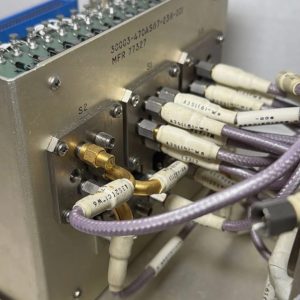
The Aviation Switching Module – NSN 4920-01-250-2696 (AS-IS / Untested) should be purchased with the understanding that no operational, calibration, serviceability, compatibility, or installation guarantee is being made.
The Aircraft Switching Module can form part of a specialized aviation system, while the Aerospace Switching Module requires identification through labels, technical documentation, connector configuration, and application records.
An Aircraft Electrical Switching Module, Aviation Electrical Control Module, Aircraft Power Switching Module, Aerospace Electrical Control Unit, and Aircraft Signal Switching Module may describe related switching or control functions, but the exact purpose of this NSN should be verified before use.
The Aviation Control Module, Aircraft Switching Unit, Aerospace Power Distribution Module, Aircraft Electrical Control Unit, Aviation Power Control Module, Aircraft Electronic Switching System, Aerospace Switching Unit, and Aircraft Electrical Module keywords describe a broad aerospace-electrical product category.
Identifying the Aerospace Switching Unit
The seller should provide clear photographs of every label, marking, connector, switch, control, mounting point, enclosure surface, and included accessory.
Military or aviation-surplus components may carry replacement numbers, superseded numbers, modification markings, or contract identifiers that assist research.
AS-IS Aerospace Equipment Considerations
Transparent AS-IS terms help specialists evaluate price and risk realistically.
An untested component should not be connected directly to aircraft wiring, expensive test equipment, batteries, laboratory supplies, or unknown power sources.
Aircraft Switching Module Applications
The actual role depends on internal circuitry, switch configuration, connector pinout, associated system design, and technical documentation.
A check here detailed visual inventory supports informed evaluation of the Aircraft Switching Module.
Aerospace Switching Module Construction
The module may have been designed for vibration, transportation, storage, maintenance, or aerospace operating environments, but present performance should not be assumed.
Connector damage can prevent proper mating or create electrical shorts even when the module enclosure remains intact.
Inspecting Aviation Module Wiring
A qualified technician should determine whether additional internal inspection is justified.
Methodical inspection protects the integrity and research value of the Aircraft Electrical Switching Module.
Choosing an Aviation Electrical Control Module
An Aviation Electrical Control Module can coordinate or select electrical functions within a compatible aviation or support-equipment system, depending on its documented design.
High-resolution photographs can preserve readable details before cleaning or restoration.
Aircraft Power Switching Module Considerations
A switch that moves normally may still contain burned, corroded, welded, or high-resistance electrical contacts.
Any successful limited test should be documented precisely without changing the overall status beyond what was actually verified.
Aerospace Electrical Control Unit Evaluation
An Aerospace Electrical Control Unit may combine switching, control, indication, interface, or distribution functions within one enclosed assembly.
A common-looking relay, switch, resistor, connector, or wire may not be an acceptable substitute.
Signal Switching Module Inspection
Qualified evaluation supports responsible Aircraft Signal Switching Module use.
A complete accessory inventory improves the commercial presentation of the Aircraft Signal Switching Module.
Control Module Compatibility Review
Clear intended use helps establish realistic expectations for an AS-IS Aviation Control Module.
Accurate configuration review reduces the risk of an unsuitable Aviation Control Module acquisition.
Choosing an Aircraft Switching Unit
The unit can provide parts, reference information, display value, training opportunities, or a candidate for professional restoration.
Training use should avoid destructive modifications when the component has collectible or restoration value.
Aircraft Electrical Distribution Hardware
An Aerospace Power Distribution Module generally manages or routes electrical power among compatible circuits, although the exact function of this NSN should not be assumed without supporting information.
The original installation orientation should be researched where possible.
Aircraft Electrical Control Unit Inspection
Dust and surface dirt can often be removed carefully, but aggressive cleaning may damage labels, seals, finishes, or electrical parts.
Limited testing should not be described as complete serviceability verification.
Inspecting a Power Control Module
Broad market keywords can support discovery while the technical description remains precise.
The equipment should remain disconnected and protected during storage.
Electronic Switching Module Applications
A systems approach supports more accurate troubleshooting and restoration.
The module should not be blamed until related wiring and equipment are considered where the original system is available.
Preserving Military Aviation Equipment
Connector caps should remain fitted, and the module should be supported without placing pressure on switches, knobs, cables, or mounting brackets.
Original packaging should receive additional protection rather than being used as the only shipping container.
Evaluating Surplus Aerospace Equipment
The potential cost of connectors, manuals, test equipment, repairs, components, and specialist labor should be included in the buying decision.
Transparent disclosure strengthens trust in an Aircraft Electrical Module transaction.
Evaluating an AS-IS Aircraft Switching Unit
The AS-IS and untested condition should appear clearly within the title, description, invoice, and transaction terms.
- Confirm that the identification plate shows NSN 4920-01-250-2696 and record every manufacturer number, serial number, contract marking, revision, and modification label.
- Inspect switches, knobs, indicators, connectors, pins, wiring, and terminals for damage, looseness, contamination, overheating, or unauthorized repair.
- Retain purchase records, photographs, labels, research, testing notes, and repair documentation with the module.
Testing the Aviation Switching Module
The module should not be powered until input requirements, polarity, grounding, circuit protection, and expected loads are understood.
Test results should identify which circuits or functions were checked and which remain unknown.
Aircraft Electrical Module Repair Planning
Original labels, wiring routes, fasteners, finishes, and component locations should be preserved whenever practical.
The final product status should describe only the functions that were evaluated successfully.
Final Thoughts on the Untested Aircraft Switching Module
For the right purchaser, the unit can offer a useful foundation for technical research, controlled troubleshooting, component recovery, or legacy-equipment restoration.
Careful technical and commercial evaluation can reduce equipment damage, incompatible purchases, missing-accessory costs, testing hazards, and restoration delays.
Whether buyers need an Aircraft Power Switching Module, Aerospace Electrical Control Unit, Aircraft Signal Switching Module, or Aviation Control Module, electrical specifications should be verified before testing.
With complete evaluation and continued care, the Aviation Switching Module – NSN 4920-01-250-2696 (AS-IS / Untested) can deliver a professional combination of restoration potential, component value, technical interest, and aerospace-equipment relevance.
Report this page